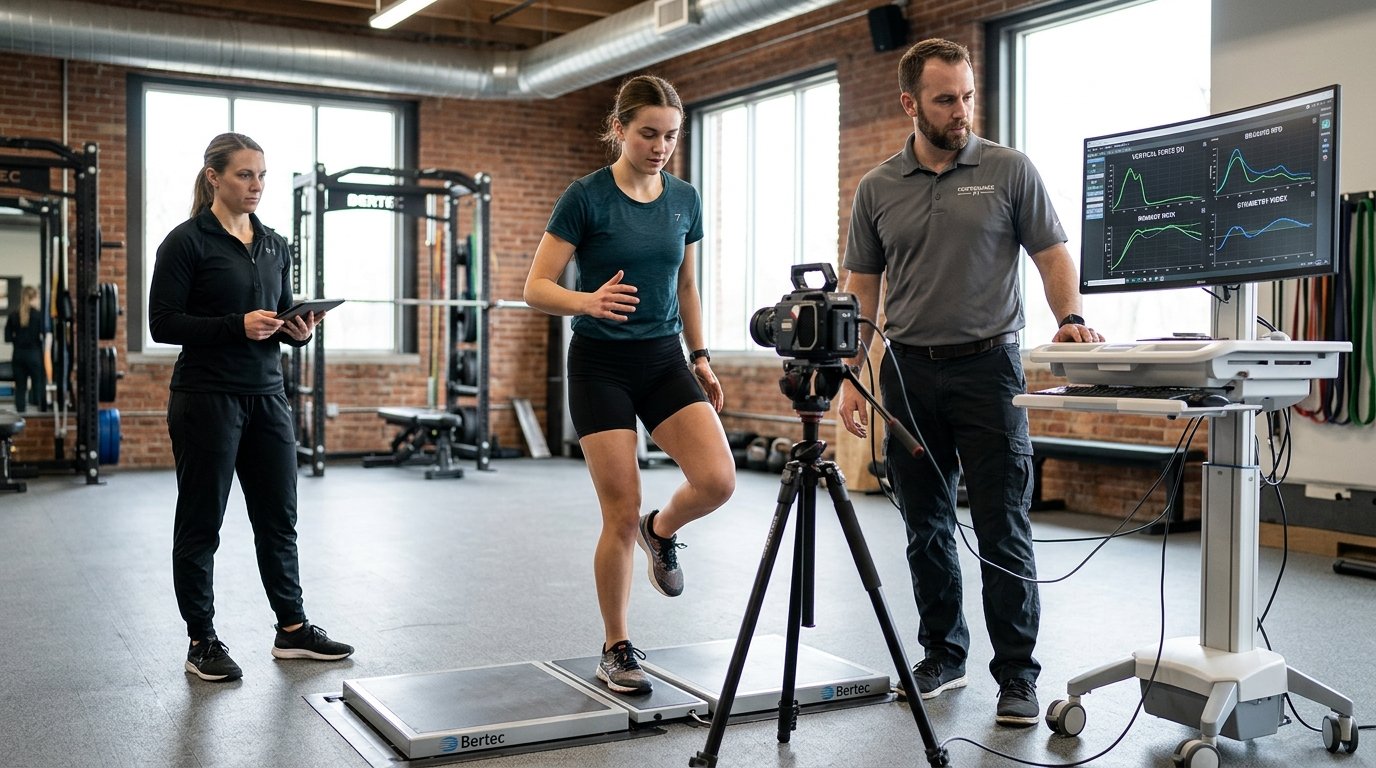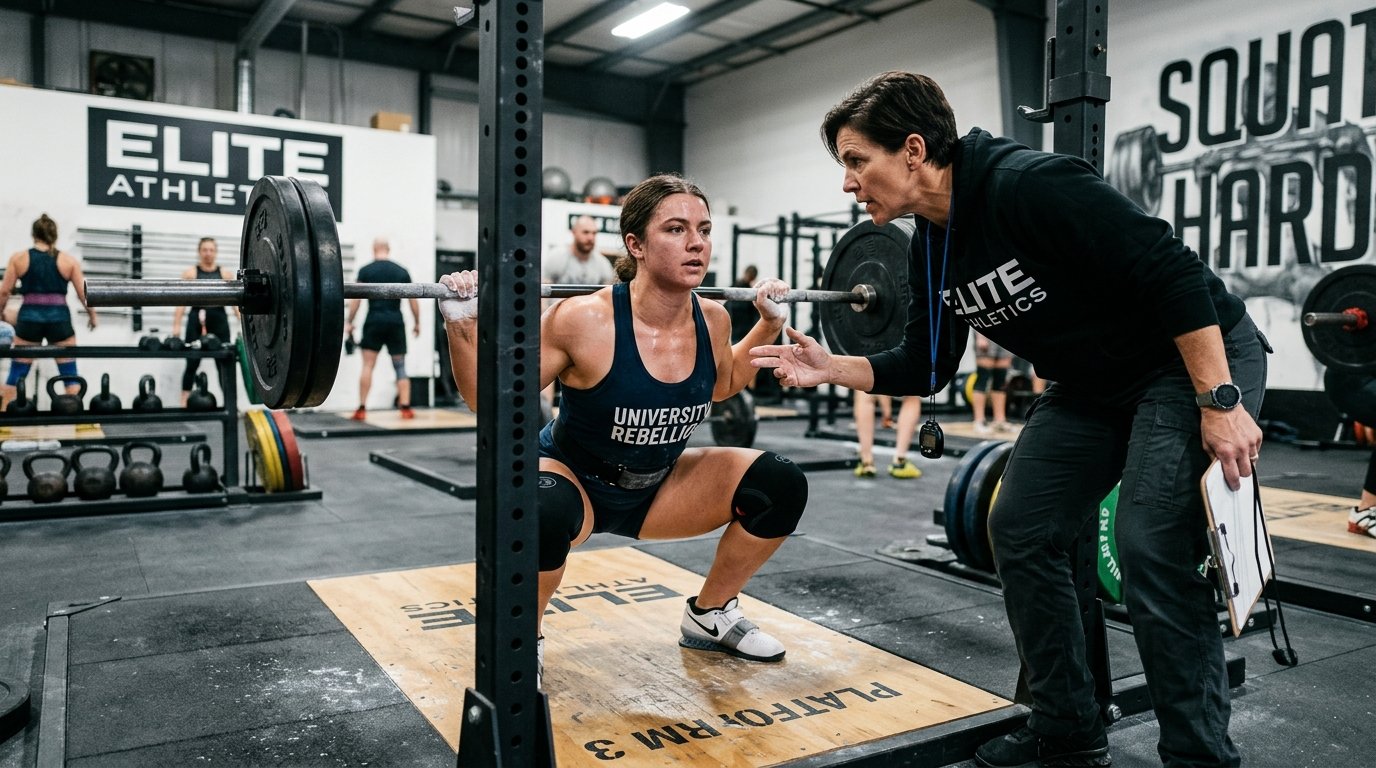

In contemporary strength and conditioning, percentage-based 1RM prescription often treats athletes as homogenous mechanical systems. However, two athletes with identical 1RM squats can exhibit radically divergent force-velocity profiles.
By tracking jump velocity across progressive barbell loads, coaches identify whether the bottleneck lies in high-load force generation or high-velocity recruitment, allowing targeted kinetic interventions.
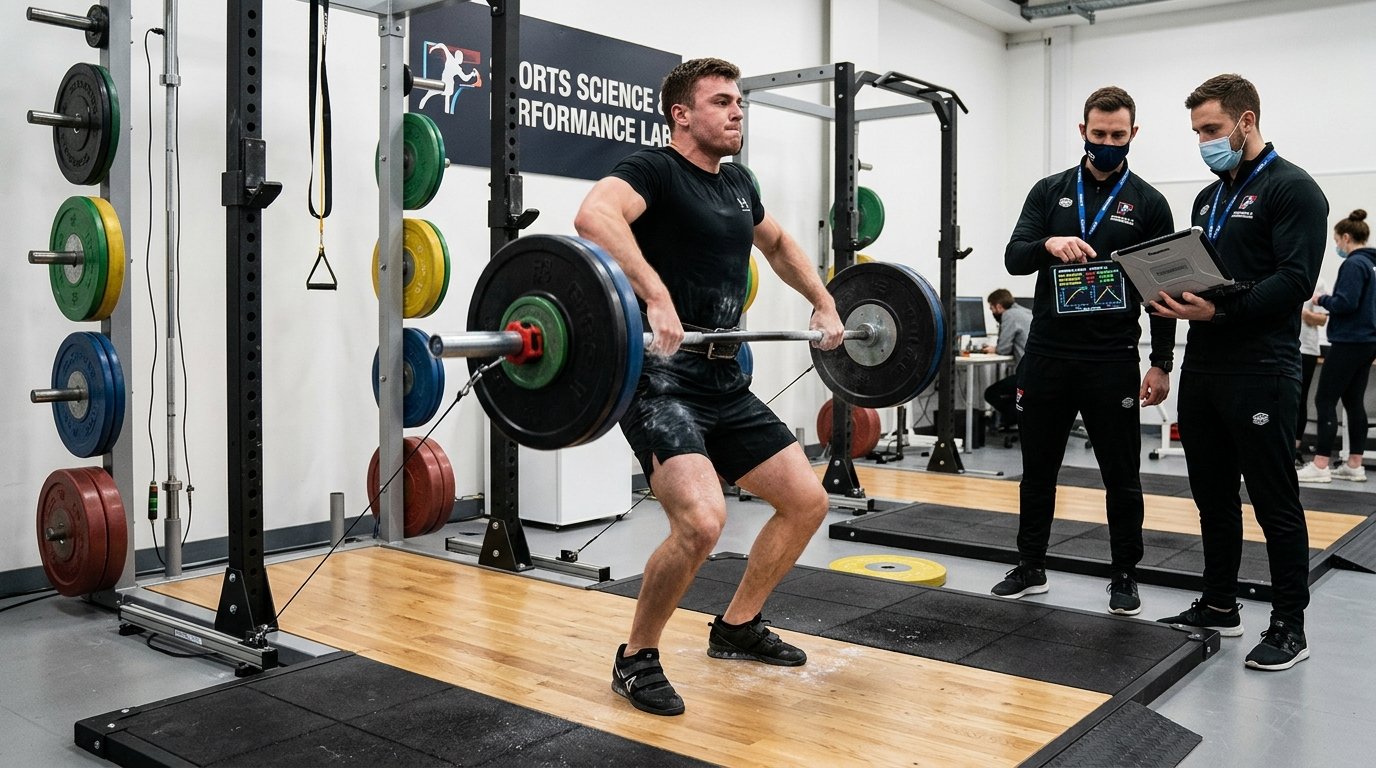
Velocity-Based Training & Barbell Kinetic Diagnostics
Advanced kinetic assessment utilizing linear position transducers and high-speed motion telemetry on Olympic lifting stations.
Explore Photo StoryProSCA Level II: Applied Coaching & Movement Mastery
Master these biomechanical and velocity protocols with hands-on coaching evaluations in our official accredited curriculum.
Peer Notes & Coaching Commentary
Join the Conversation
Share your platform experiences, kinematic observations, or clinical questions with fellow educators.
Exceptional breakdown on the velocity cutoffs. In our collegiate setting, we frequently observed athletes stalling at 85% 1RM when using static percentages. Shifting to a 10% velocity loss threshold preserved jump height throughout the competitive cycle.
Thank you Marcus. Exactly right—preserving neural drive and preventing excessive mechanical fatigue is crucial when platform speed is the primary objective.
Are there specific transducer models recommended by the academy for barbell cleans where rotation might interfere with the cable line?