


Global Academy
Insights Broadsheet • Biomechanics ProSCA & SACCA Joint Issue
🎙️ 1 min audio / read • September 07, 2026
Bilingual Journal Edition:

Translating Force-Velocity Deficits into Practical Platform Prescription

How to assess whether an athlete is force-deficient or velocity-deficient on the jumping platform and why generic percentage-based loading fails to resolve mechanical bottlenecks.

Author
Dr. Andrew Thorne (PhD Exercise Biomechanics, CSCS*D, ASCA Level 3)
Head of Curriculum & High-Performance Education
209 Reads • 19 • 0
Translating Force-Velocity Deficits into Practical Platform Prescription
Expand Visual Archive
ProSCA High-Performance Technical Archive Asset
Atmosphere:
Type Size:

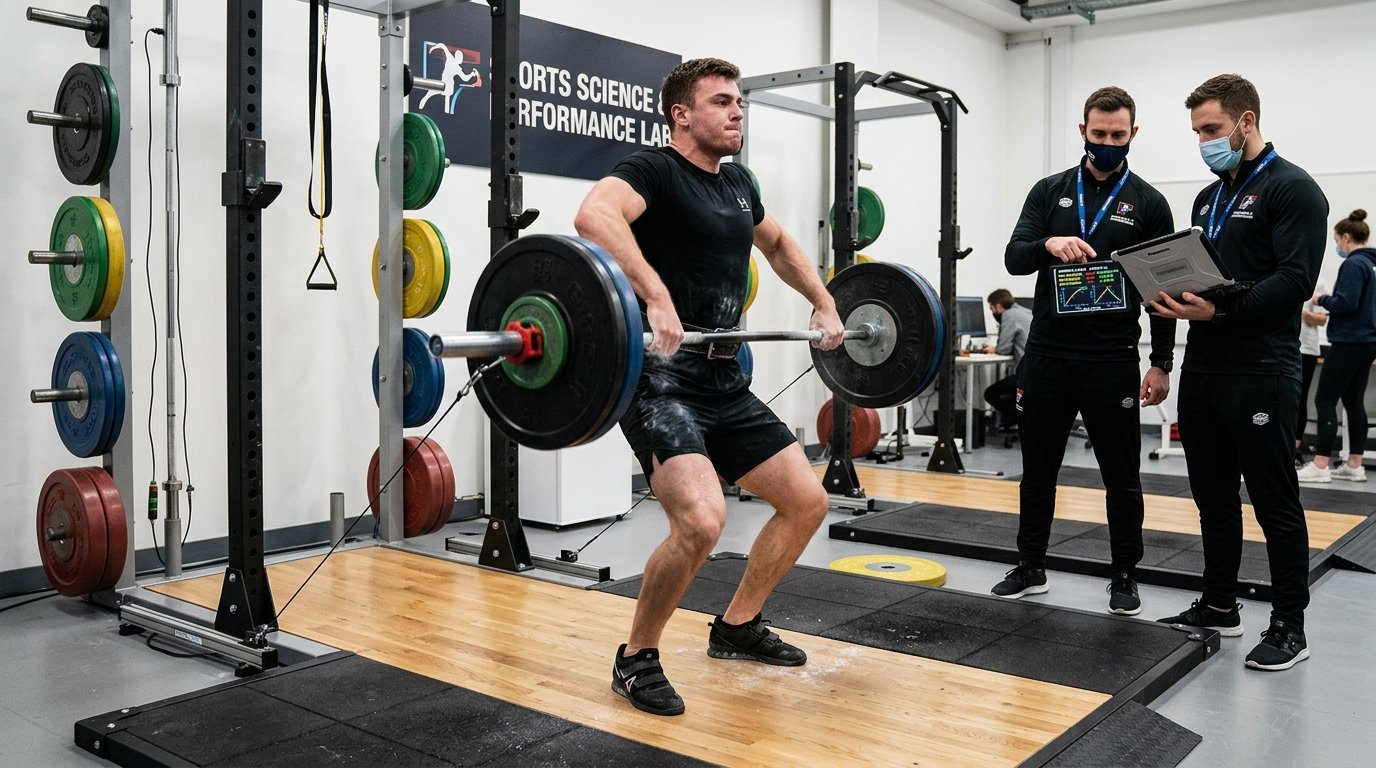
In contemporary strength and conditioning, percentage-based 1RM prescription often treats athletes as homogenous mechanical systems. However, two athletes with identical 1RM squats can exhibit radically divergent force-velocity profiles.

By tracking jump velocity across progressive barbell loads, coaches identify whether the bottleneck lies in high-load force generation or high-velocity recruitment, allowing targeted kinetic interventions.

Author

About the Author: Dr. Andrew Thorne

Head of Curriculum & High-Performance Education

Over 18 years consulting for national rugby unions and Olympic sprinters. Specialist in barbell kinematic optimization and eccentric force transmission.

Academic Discussion

Peer Notes & Coaching Commentary

2 Discussion Threads
Marcus Vance, CSCS
Sep 09, 2026

Exceptional breakdown on the velocity cutoffs. In our collegiate setting, we frequently observed athletes stalling at 85% 1RM when using static percentages. Shifting to a 10% velocity loss threshold preserved jump height throughout the competitive cycle.

Tariq Al-Mansoor
Sep 09, 2026

Are there specific transducer models recommended by the academy for barbell cleans where rotation might interfere with the cable line?